A Portrait of Everyday Western Life
I’m excited for you to meet my friend Vicki Rose. She’s a member of Western Writers of America and a sweet, sweet gal. She’s quite the talented writer, too, and a lover of the West.
Let’s open the gate and get to know Vicki.
I grew up in a time and place where if someone said “stock market,” the immediate thought went to the price of cattle. Almost all the men “ran a few head of cattle.” Everyone wanted to have a Brahman bull. Black Angus were just coming into the forefront. A man might have a boring day job to survive, but cattle were a way to build a better future. Women ranchers were there, but few, and regarded somewhat in awe.
Hay was an important crop. I can still see my father stressing over rain. Would it rain at the right time? Would it rain at the absolute worst time, when cut hay lay on the ground to dry out before it could be baled? As a child, it appeared to me that the life of man revolved around whether or not it would rain.
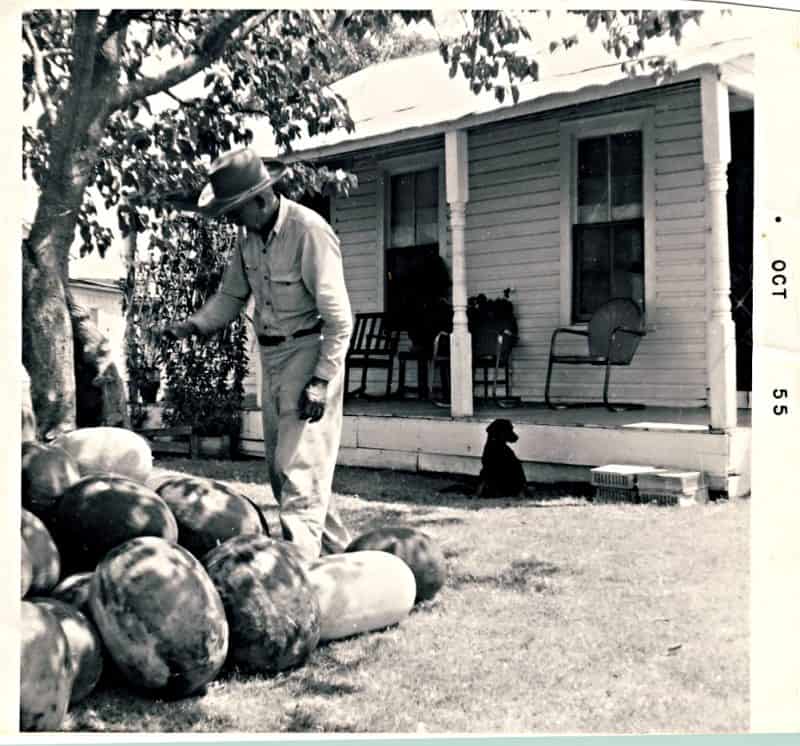
In addition, farmers grew sweet potatoes, peanuts, and watermelons. Everyone had fruit trees and a garden. There seemed to be no better peach in the world than one grown on dry sandy soil, intensifying the flavor and sweetness.
People rode horses, but more for pleasure than anything else. One old man still rode his horse into our small town, sitting straight and tall with a big hat and a couple of six-shooters strapped around his waist, straight out of the Old West. His father had been involved in a shootout on Main Street in the late 1800s, and it was as if he was daring anyone to try it with him. He was so intimidating that as a little girl, I was frightened of him.
Dogs and guns were everywhere.
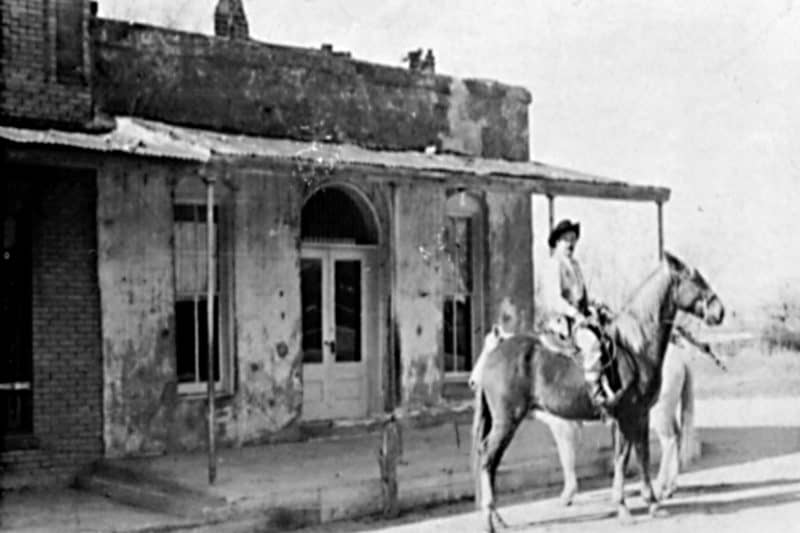
Kids like me learned to speed their bikes by barking dogs and yelling loud words to keep them at bay. Others, we hugged and slobbered over. There was some minor thieving, but large crimes were almost nonexistent. The period after the Civil War, into the late 1800s, had seen an explosion in crime.
For twenty years, men, women, and children endured the harsh conditions. No lights on in the house at night in case someone took a potshot. Men had to plow in dresses to keep from getting shot. (It was an age when men generally left women alone.) Loose lips meant death.
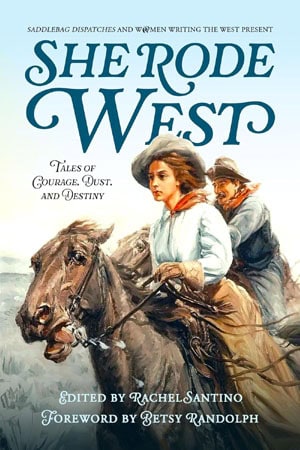
Jurors terrified of retaliation often refused to convict wrongdoers. People could only take so much, and there arose a vigilante system, so secret and so powerful that after three hangings and a shootout downtown, it finally stamped out crime. This vigilante justice generated a powerful backlash, one that affected the area for years to come.
It gave me, however, a vivid imagination and a love for the Old West that I try to pass on to my readers.
About Vicki
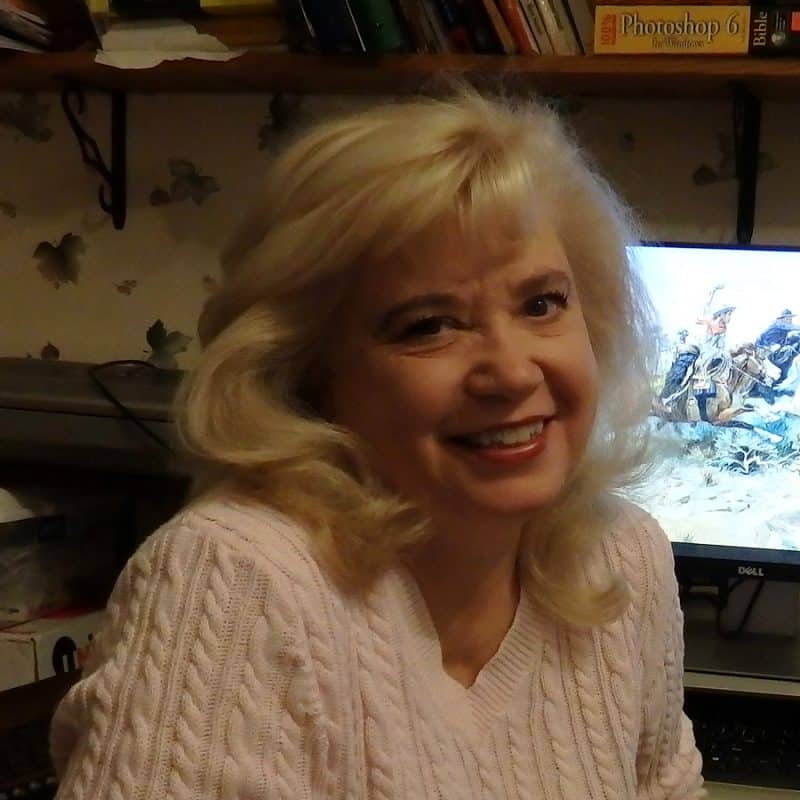
Vicky J. Rose, who also writes under the pseudonyms of V. J. Rose and Easy Jackson, is the winner of three Will Rogers Medallion Awards, runner up for the Western Writers of America Spur Award, and three-time finalist for the Western Fictioneer Peacemaker Awards. A former successful business owner, she graduated from a small West Texas university with a degree in journalism and a minor in history. She’s also known locally for her dedicated volunteer work in preserving Texas history. Rose grew up in a small town with a wild past, full of stories about early outlaw gangs, lynchings, shootouts, and vigilantism that nurtured her love for the western genre. She strives to share that love of the Old West with her readers.
Connect With Vicki
Two of Vicki’s short stories are finalists for the Western Fictioneers Peacemaker Awards.
You can find them and more on her website.
Vicki loves to connect with readers. What did you find the most fascinating about her story?

I grew up with Vicky in the small town she refers to. We’ve been friends since birth. Everything she writes about our hometown is correct. I remember her grandfather, the first photo above, and all the enormous watermelons that were grown every year just to be weighed (for 1st prize), and auctioned off, during our annual watermelon festival. Our small hometown had a tremendous history. Vicky brings back the joyous moments of living there. Much has changed since then, but hearing about the past makes me proud. Vicky is my best friend and will be until the day we die.
Thanks for adding to Vicki’s stories, Sharon. Sounds like a wonderful town and upbringing. Many blessings to you.